
Malaysia’s Tourism Boom: Economic Growth & Global Impact
Explore how visitor arrivals drive economic growth, generate tourism revenue, and create jobs across Malaysia’s hospitality sector. Discover the real numbers behind the Visit Malaysia campaign.
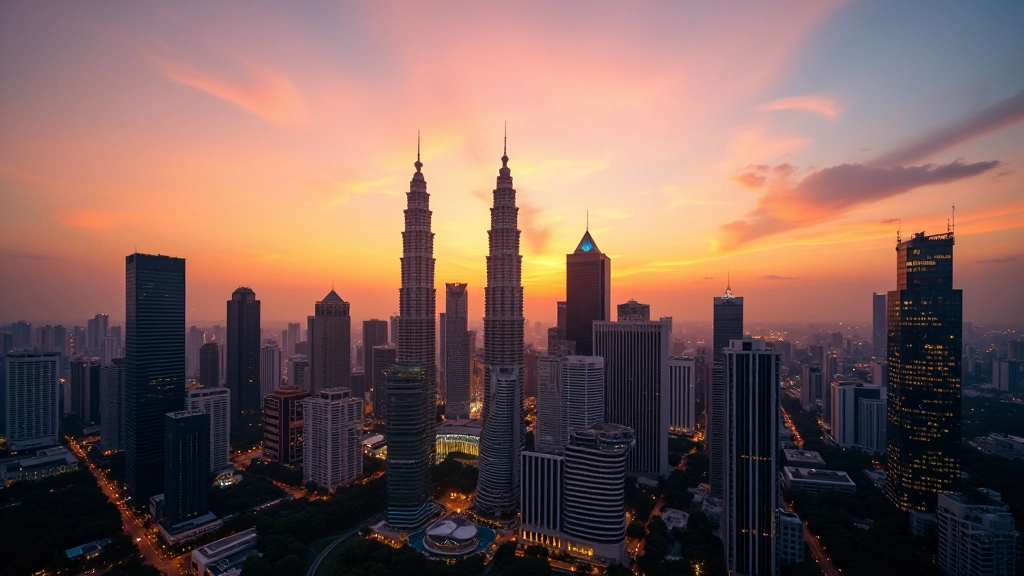
Tourism Sectors Driving Malaysia’s Economy
Multiple industries work together to create a thriving tourism ecosystem that generates substantial economic returns.
Accommodation & Hotels
Five-star resorts to boutique hotels provide employment for thousands. Room rates and occupancy rates directly impact overall tourism revenue.
Food & Beverage
Restaurants, cafes, and street food vendors capture significant visitor spending. Culinary tourism has become a major draw for international guests.
Retail & Shopping
Shopping malls and markets see heavy visitor traffic. Luxury goods, local crafts, and electronics are top purchase categories for tourists.
Attractions & Activities
Theme parks, nature reserves, and cultural sites generate entry fees and ancillary spending. Experience-based tourism is growing fastest.
Tourism in Malaysia: Economic Growth & Visitor Impact
Deep-dive analysis into visitor arrivals, revenue streams, employment trends, and the effectiveness of Malaysia’s tourism campaigns.
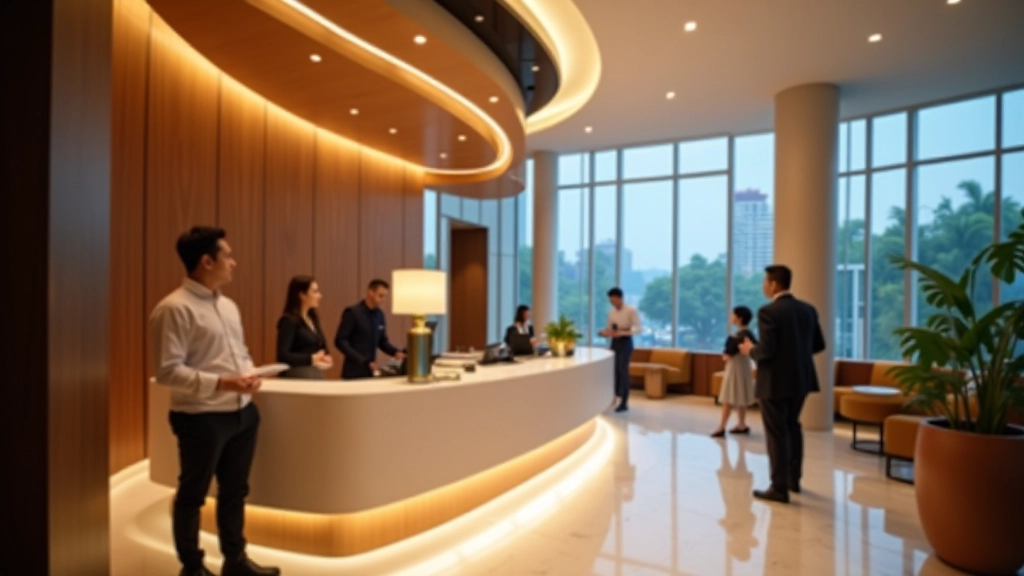
How Visitor Arrivals Drive Malaysia’s GDP
Recent data shows international tourists now contribute significantly to Malaysia’s annual economic output. We break down the numbers and trends shaping the sector.
Read Analysis
Tourism Revenue Analysis: Where the Money Comes From
Accommodation, dining, shopping, and activities generate substantial revenue. This guide shows which sectors capture the most visitor spending across regions.
View Breakdown
Employment in Hospitality: Jobs & Skills Training
The hospitality sector now employs hundreds of thousands across hotels, restaurants, and tourism services. We examine job growth, training programs, and career pathways.
Explore CareersThe Tourism Economic Cycle in Malaysia
Understanding how visitor arrivals create a multiplier effect throughout the economy.
Visitor Arrivals & Border Revenue
International tourists enter Malaysia through airports, ports, and land borders. Initial spending on visas, entry fees, and airport transfers begins the economic cycle immediately.
Accommodation & Direct Spending
Hotels, resorts, and guesthouses capture the largest share of tourism spending. Visitors stay an average of 4-6 nights, generating steady revenue for the hospitality sector and creating sustained employment.
Secondary Spending & Job Creation
Restaurants, shops, attractions, and transport services capture secondary spending. This activity sustains 500,000+ jobs across multiple sectors and generates tax revenue for government services.
Multiplier Effects & Regional Growth
Tourism spending ripples through supply chains. Hotels purchase food from local farms, restaurants buy linens and equipment, guides spend wages locally — multiplying the initial visitor spending across the entire economy.
Why Malaysia’s Tourism Matters Globally
Malaysia has positioned itself as a premier Southeast Asian destination. The Visit Malaysia campaign has successfully marketed the country’s diverse attractions — from urban experiences in Kuala Lumpur to natural wonders in Sabah and Sarawak.
Tourism isn’t just an industry here — it’s a cornerstone of economic strategy. With strategic investments in infrastructure, training programs, and marketing, Malaysia continues to attract high-value visitors who stay longer and spend more.
The sector generates foreign exchange earnings that strengthen the ringgit, supports rural communities through homestays and cultural tourism, and provides career pathways for millions of Malaysians across hospitality, retail, transport, and entertainment.
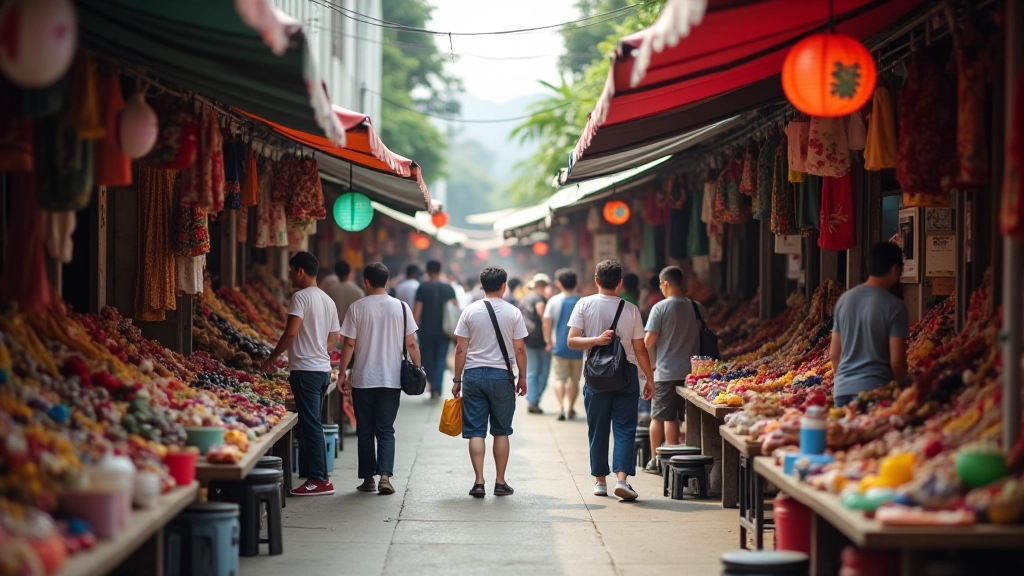
Understanding Tourism’s Economic Impact
Common questions about Malaysia’s tourism sector, visitor statistics, and economic contribution.
How much do international visitors spend annually in Malaysia?
Tourism revenue exceeded $25 billion in recent years. This includes accommodation, food, shopping, attractions, and transport. Average spending per visitor ranges from $800-$1,200 depending on origin and trip duration.
Which nationalities visit Malaysia most frequently?
Top source markets include Singapore, China, Indonesia, Thailand, and India. Western visitors from the US, UK, and Australia represent growing segments. Diverse source markets reduce economic risk from any single country’s economic slowdown.
How many people work in Malaysia’s tourism and hospitality sector?
Over 500,000 people are directly employed in hotels, restaurants, tour operations, and attractions. When including indirect jobs in supply chains and retail, the number exceeds 1 million — roughly 3-4% of Malaysia’s workforce.
What’s the average length of stay for international tourists?
Average stay is 4.5-5 days. Regional visitors (ASEAN countries) stay 3-4 days, while long-haul visitors from Europe and America stay 6-8 days. Longer stays generate more spending across multiple sectors.
How does tourism revenue compare to other export sectors?
Tourism is Malaysia’s 4th largest source of foreign exchange after petroleum, semiconductors, and palm oil. It’s more stable than commodity exports because it’s service-based and less vulnerable to price volatility.
What’s the Visit Malaysia campaign’s measurable impact?
Visitor arrivals increased significantly following major campaigns. Marketing investments yield 1:15 to 1:20 returns — every ringgit spent on tourism promotion generates 15-20 ringgit in visitor spending across the economy.
Dive Deeper Into Malaysia’s Tourism Economics
Access detailed analysis on visitor arrival trends, revenue breakdowns by sector, hospitality employment data, and campaign effectiveness metrics. Get the complete picture of tourism’s role in Malaysia’s economic growth.