Tourism Revenue Analysis: Where the Money Comes From
International visitors spend billions annually across accommodation, dining, shopping, and attractions. We’re breaking down exactly which sectors capture the most visitor spending and where the revenue flows in Malaysia.

The Money Trail: Understanding Tourism Spending
Tourism isn’t just about hotel bookings. When visitors arrive in Malaysia, they’re spending money everywhere — at airports, restaurants, shopping malls, tour operators, and entertainment venues. Understanding where this money comes from reveals the true economic impact of the tourism sector.
Last year, international arrivals contributed significantly to Malaysia’s economy. But the revenue isn’t distributed evenly. Some sectors capture the lion’s share of visitor spending, while others benefit from spillover effects. We’re diving into the numbers to show you exactly how the tourism revenue breaks down.

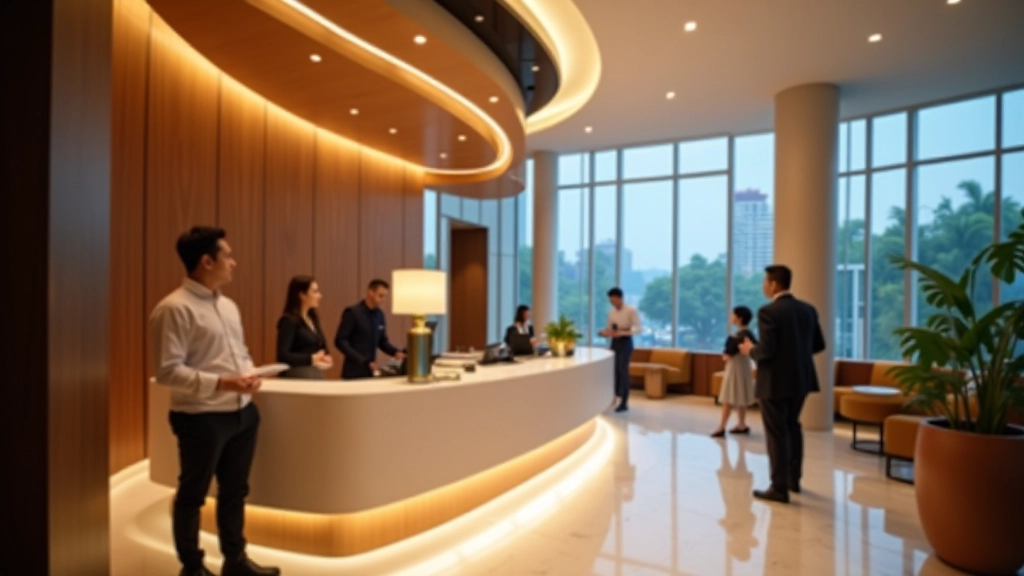
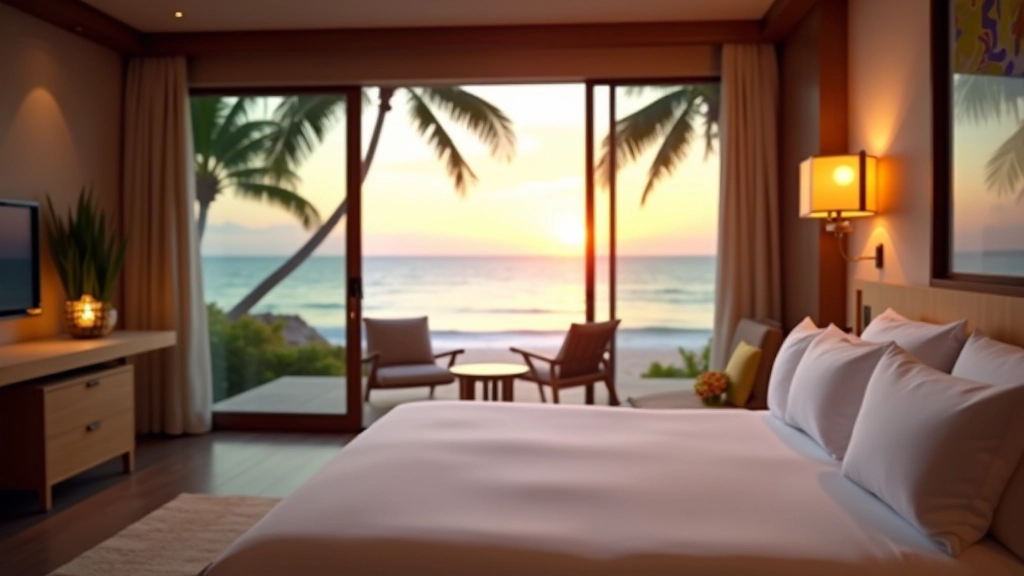
Accommodation: The Largest Revenue Generator
Hotels, resorts, and guesthouses capture roughly 35-40% of all visitor spending. It’s the single biggest revenue source for tourism. From luxury five-star properties in Kuala Lumpur to beachfront resorts in Penang, accommodation is where visitors spend the most money per transaction.
What’s interesting is that accommodation spending varies dramatically by region. Urban centers like KL and Georgetown attract business travelers who’ll pay premium rates. Beach destinations in Sabah and Sarawak draw families looking for longer stays. Rural eco-lodges capture the adventure tourism market. Each segment has its own revenue profile.
The accommodation sector’s strength comes from its ability to capture multiple spending categories — room rates, food and beverage services, resort activities, and facility charges. A visitor might spend RM150-300 per night on accommodation alone, and that’s before dining, activities, or shopping.

Food and Beverage: The Second Wave
Food and beverage accounts for about 20-25% of tourism revenue. This includes restaurant meals, street food, cafes, bars, and nightlife. What makes this sector unique is that it’s not just about accommodation dining — visitors actively seek out local restaurants and food experiences.
International visitors spend differently here depending on their origin. Western tourists tend to seek out premium dining experiences and international cuisine, paying higher prices. Asian visitors often focus on authentic local food at mid-range establishments. Both groups contribute substantially to this revenue stream.
The food and beverage sector also supports thousands of restaurants, food courts, and hawker stalls. Unlike accommodation which concentrates wealth in larger establishments, dining revenue is distributed more broadly across the economy. A visitor might spend RM40-150 per day on food, supporting multiple vendors and businesses.
Retail and Shopping: Discretionary Spending
Shopping generates roughly 15-20% of visitor spending. This includes shopping malls, boutiques, duty-free shops, souvenir stores, and local markets. It’s discretionary spending — visitors only buy what they want — but it’s surprisingly significant.
Airport duty-free shops are particularly lucrative. Perfume, cosmetics, and alcohol purchases happen here before visitors even leave the terminal. Shopping malls in KL and Georgetown attract regional tourists who treat shopping trips as part of their vacation experience. Souvenir and craft stores capture visitors looking for authentic Malaysian products.
What’s important to understand is that shopping revenue varies seasonally and by visitor source. Peak shopping happens during major holidays when visitors have larger budgets. Regional tourists from Singapore and Thailand treat Malaysian shopping malls as bargain destinations, while Western visitors focus on specific products like batik, handicrafts, and local specialty items.

Activities and Attractions: Experience Economy
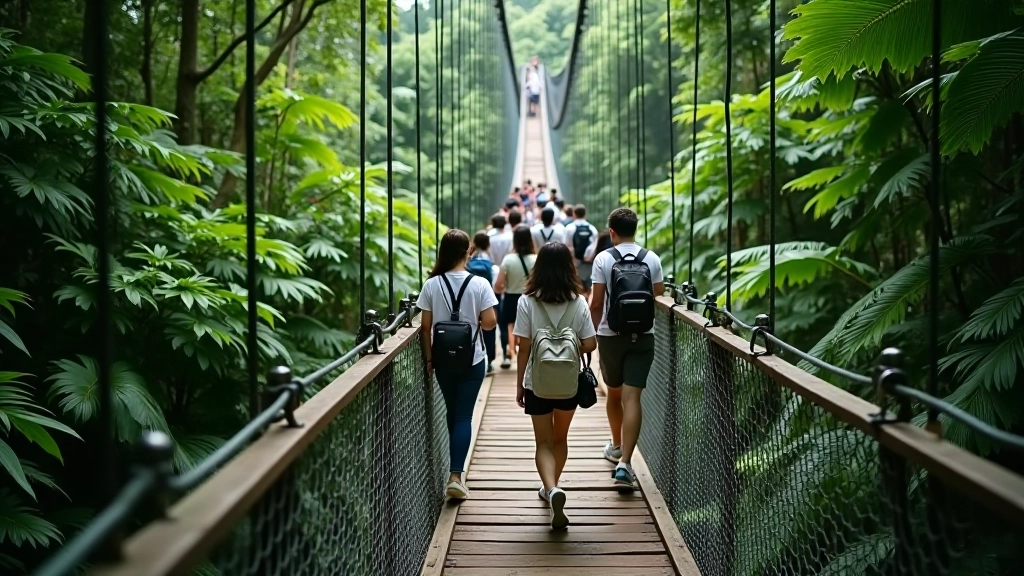
Tours, attractions, and activities account for roughly 10-15% of tourism revenue. This includes theme parks, wildlife tours, cultural experiences, water sports, and guided excursions. It’s the fastest-growing segment because visitors increasingly want experiences, not just sightseeing.
The activities sector is highly diverse. Adventure tourism (jungle treks, cave exploring, rock climbing) attracts younger visitors and commands premium pricing. Cultural tourism (heritage site visits, cooking classes, traditional performances) appeals to older demographics. Beach and water activities (snorkeling, diving, water sports) serve families and adventure enthusiasts. Each segment has distinct visitor profiles and spending patterns.
What’s driving growth here is that experiences create stronger memories and social media moments. A visitor might spend RM80-200 on a single tour or activity, and they’ll spend multiple days doing various activities. This sector benefits enormously from Instagram and word-of-mouth marketing.
Regional Revenue Patterns
Tourism revenue isn’t evenly distributed across Malaysia. Different regions attract different visitor types and capture different spending patterns.
Kuala Lumpur & Selangor
Urban centers capture the highest per-visitor spending. Business tourism drives accommodation and dining revenue. Shopping malls and entertainment venues thrive here. Luxury hotels command premium rates. Average daily visitor spending: RM300-500.
Penang & Georgetown
Heritage tourism drives visitor numbers. Mid-range accommodation dominates. Street food and local dining capture significant revenue. Souvenir shopping and cultural experiences are major draws. Regional tourists from Thailand and Singapore are key market segment.
Sabah & Sarawak
Eco-tourism and adventure activities lead revenue generation. Accommodation revenue comes from eco-lodges and resort properties. Activities and tours capture 25-30% of visitor spending. Lower overall volumes but higher per-visitor spend on experiences.
Beach Destinations
Langkawi, Perhentian, and Tioman rely heavily on accommodation revenue. Water sports and beach activities are primary spending drivers. Dining revenue varies by resort type. Shopping revenue is lower compared to urban centers.
Spending Varies by Visitor Origin
Where visitors come from significantly impacts their spending patterns. A visitor from Singapore has a different budget and preferences than someone from Europe or Australia.
Regional Visitors
From Singapore, Thailand, Indonesia, and Brunei. Shorter stays (2-3 days). Focus on shopping and dining. Lower accommodation budgets. Higher frequency of visits. Together they represent the largest visitor volume.
Western Visitors
From US, UK, Australia, Europe. Longer stays (5-10 days). Higher accommodation budgets. Premium dining and activities. Focus on experiences and culture. Smaller numbers but higher per-visitor spending.
Asian Visitors
From China, India, Japan, South Korea. Medium-to-long stays. Group travel common. Budget-conscious but willing to spend on shopping. Interest in both attractions and dining experiences.
Key Takeaways: Understanding the Revenue Flow
Accommodation dominates the sector
Hotels and resorts capture 35-40% of all tourism spending. This sector drives economic impact across employment, infrastructure investment, and regional development.
Spending varies dramatically by region
Urban centers capture premium spending while beach destinations rely on volume. Understanding regional patterns helps businesses target the right market segments.
Activities are the growth opportunity
Experience-based tourism is growing faster than traditional accommodation revenue. Visitors want memorable experiences, not just places to sleep.
Visitor origin shapes spending patterns
Regional visitors spend less per capita but visit more frequently. Western visitors spend more per visit but travel less often. Both segments are essential for sustainable tourism revenue.
The Complete Picture of Tourism Revenue
Tourism revenue isn’t concentrated in a single sector or region. It’s a complex ecosystem where accommodation, dining, shopping, and activities all play vital roles. Understanding where the money comes from helps explain why tourism is so important to Malaysia’s economy.
The beauty of tourism revenue is that it’s distributed across thousands of businesses — from large hotel chains to small family restaurants, from major shopping malls to street vendors selling souvenirs. When visitors spend money, that spending ripples through the entire economy, creating jobs and supporting communities.
Looking forward, the growth opportunities lie in experience-based tourism and catering to diverse visitor segments. Regional visitors will continue to drive volume, while Western and Asian visitors provide premium revenue. Sustainable tourism development requires understanding these patterns and investing in sectors that generate the most value while maintaining quality experiences for visitors.
Disclaimer
This article provides educational information about tourism revenue distribution in Malaysia based on publicly available data and industry analysis. Revenue percentages and spending figures are approximate ranges based on tourism sector research and may vary by source and time period. Individual visitor spending patterns vary significantly based on personal preferences, trip duration, and visitor origin. This content is for informational purposes only and should not be considered official government statistics or tourism board data. For official tourism statistics, please consult Malaysia’s Ministry of Tourism, Arts and Culture or Tourism Malaysia. Circumstances, visitor patterns, and economic conditions change regularly, and figures presented may not reflect current conditions.
Related Articles