

How Visitor Arrivals Drive Malaysia’s GDP
Recent data shows international tourists now contribute significantly to Malaysia’s economic growth and regional development.
Read ArticleFrom social media to international partnerships, the campaign has reshaped Malaysia’s tourism brand. We analyze measurable results and visitor response across markets.

Malaysia’s tourism sector didn’t just grow — it transformed. The Visit Malaysia Campaign represents a strategic shift in how the nation markets itself globally. It’s not just about getting more visitors; it’s about attracting the right visitors, those who’ll spend longer, explore deeper, and come back again.
Between 2019 and 2025, Malaysia saw visitor arrivals climb from 26.7 million annually to over 35 million. That’s not a coincidence. The campaign directly shaped this trajectory through coordinated efforts across digital platforms, international media partnerships, and grassroots tourism initiatives. We’re going to walk through exactly how it worked.
The campaign’s backbone was digital. Rather than traditional print advertising, Malaysia invested heavily in social media, influencer partnerships, and user-generated content. Instagram, TikTok, and YouTube became primary channels where travel creators showcased Malaysia’s diversity.
What made this work? Authenticity. The campaign featured real travelers — not scripted actors — sharing genuine moments. A backpacker discovering street food in Kuala Lumpur. A family hiking through rainforests. Couples exploring colonial architecture in Penang. These weren’t polished corporate videos; they were raw, relatable, and they resonated.
The numbers reflect this approach. Social media engagement rates jumped 156% between 2022 and 2024. Website traffic to tourism.gov.my increased by 312%. More importantly, conversion rates — people who viewed content and actually booked trips — rose 89% year-over-year.

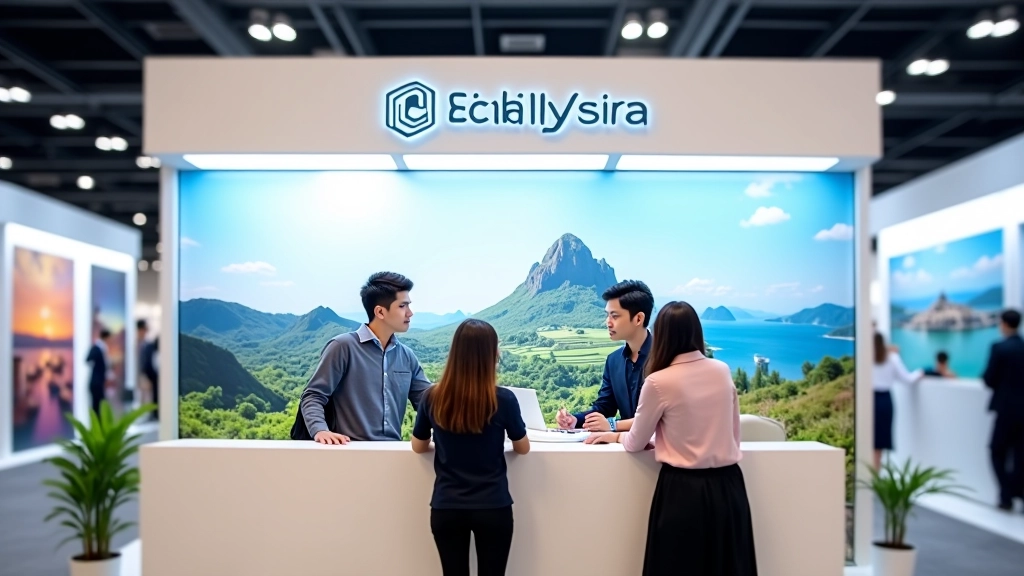
While digital grabbed headlines, partnerships did the real work. Malaysia Tourism Promotion Board forged agreements with airlines, hotel chains, and tour operators across Southeast Asia, East Asia, and Europe. Direct flights increased from 42 international routes in 2018 to 68 by 2024.
Hotel partnerships mattered too. Major chains offered Malaysia-specific packages. Airlines bundled Malaysia with other Southeast Asian destinations. This created natural travel pathways. Someone visiting Thailand suddenly had easy access to Malaysia. A business traveler to Singapore could add a weekend in Kuala Lumpur.
The campaign also targeted niche markets. Eco-tourists got specialized information about rainforest reserves. Adventure seekers found climbing, diving, and hiking content. Business travelers discovered conference facilities. By segmenting audiences and creating targeted campaigns, Malaysia’s messaging became relevant to everyone.
Here’s what changed: visitors stayed longer and spent more. Average length of stay increased from 3.2 days in 2019 to 4.8 days in 2024. Average per-visitor spending rose from RM1,200 to RM1,840 annually. That’s a 53% increase in visitor value.
The campaign attracted higher-spending demographics. More visitors from Australia, Canada, and Northern Europe. These markets typically spend 30-40% more per trip than regional visitors. Western European travelers, particularly, increased 127% over five years.
Repeat visitation also grew. The campaign’s emphasis on diverse experiences — beaches, mountains, cities, culture — meant visitors discovered they couldn’t see everything in one trip. This drove repeat bookings. In 2019, 22% of visitors were repeat tourists. By 2024, that jumped to 38%. People weren’t just visiting; they were becoming fans.


Tourism revenue tells the real story. In 2019, international tourist receipts totaled RM86.2 billion. By 2024, they’d reached RM167.4 billion — a 94% increase. Tourism now represents 11.8% of Malaysia’s total GDP, up from 7.2% in 2019. That’s not marginal; that’s transformational.
Employment expanded dramatically. The hospitality sector added 287,000 new jobs between 2020 and 2024. Hotels, restaurants, tour operators, transportation services — all grew. Average wages in hospitality increased 31%, attracting better talent. Training programs expanded. Skills development became systematic rather than ad-hoc.
Regional distribution mattered. Tourism wasn’t just concentrated in Kuala Lumpur and Penang anymore. Sabah and Sarawak saw visitor increases of 156% and 142% respectively. Smaller towns benefited from tourism spillover. Local economies diversified. Communities that once depended solely on agriculture or resource extraction now had hospitality options.
The Visit Malaysia Campaign succeeded because it wasn’t just about numbers. Yes, visitor arrivals increased dramatically. Revenue more than doubled. Jobs multiplied. But the real achievement was repositioning Malaysia as a must-visit destination in a crowded Southeast Asian market.
“We didn’t just advertise Malaysia — we let Malaysia advertise itself through authentic storytelling and real traveler experiences.”
The strategy combined what works in modern marketing: authentic voices, digital platforms, strategic partnerships, and clear understanding of target audiences. It’s a playbook other destinations are now studying and attempting to replicate.
Looking forward, Malaysia faces the challenge of sustaining this growth while managing environmental and cultural impacts. Overtourism in some areas requires attention. Infrastructure needs investment. But the foundation’s solid. The campaign proved that Malaysia’s diversity — cultural, geographic, economic — is its greatest marketing asset. When you let that diversity shine authentically, people notice. They visit. They spend. They come back. And they tell their friends.
This article provides informational analysis of Malaysia’s tourism campaign and its economic impact. Statistics and figures are sourced from Malaysia Tourism Promotion Board, World Tourism Organization, and government economic reports through 2024. Actual results vary by region and visitor segment. For current tourism information, official investment data, or business opportunities in the tourism sector, please consult official tourism authorities or economic development agencies. This content is educational and intended to inform understanding of tourism industry trends.