
How Visitor Arrivals Drive Malaysia’s GDP
International tourism now generates billions annually. We’re breaking down the numbers, trends, and economic impact shaping Malaysia’s future.
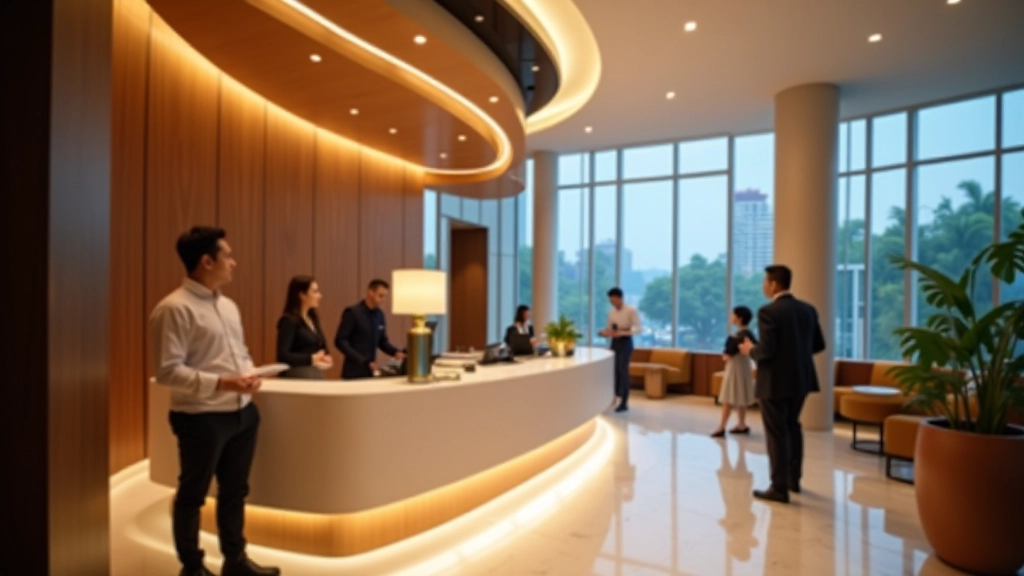
Tourism’s Growing Role in Malaysia’s Economy
Over the last decade, international visitor arrivals to Malaysia have become one of the nation’s most significant economic drivers. What started as a secondary revenue source has transformed into a major pillar supporting GDP growth, employment, and infrastructure development across the country.
The numbers tell a compelling story. We’re not just talking about hotel bookings and restaurant meals — though those matter. Tourism spending ripples through entire economies. It funds airport expansions, supports small businesses in rural areas, trains hospitality workers, and attracts foreign investment. It’s a multiplier effect that reaches communities far beyond tourist hotspots.
In this guide, we’ll explore the actual data behind visitor arrivals, analyze where the money comes from, and examine how government initiatives like the Visit Malaysia campaign are reshaping the sector.
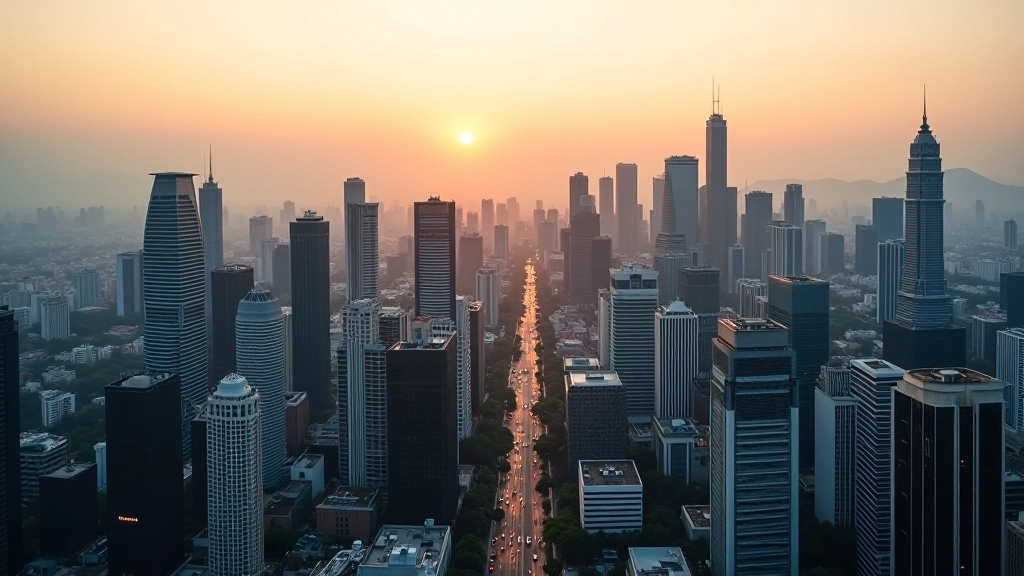
The Numbers Behind Visitor Growth
Recent data shows remarkable growth in international tourist arrivals and spending
Where Tourism Revenue Actually Comes From
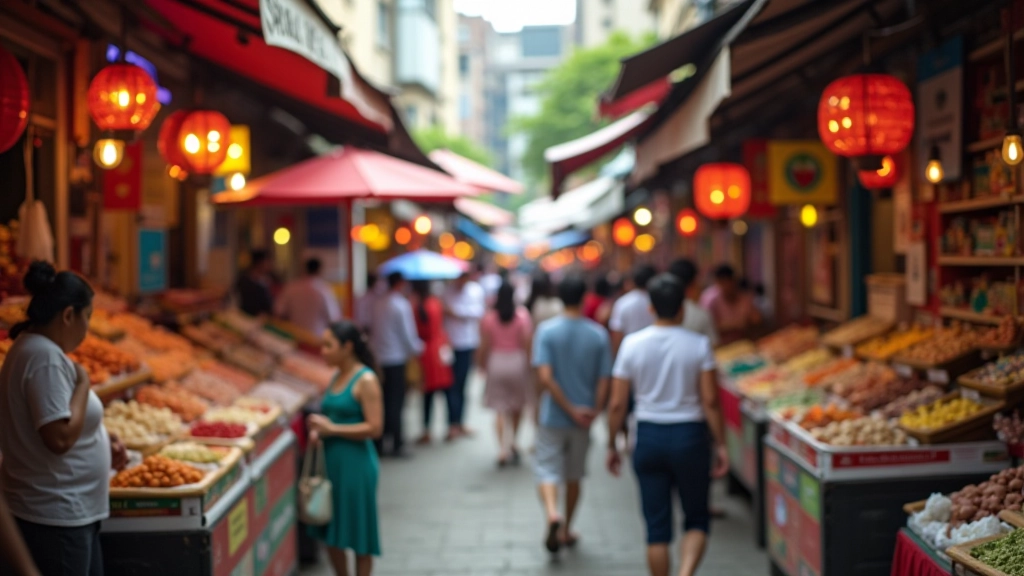
People often think tourism revenue means hotel bills. That’s part of it — but it’s honestly just the beginning. Accommodation spending runs about 35-40% of total visitor expenditure. The rest? That’s spread across an entire ecosystem of services and experiences.
The key insight? Tourism revenue isn’t concentrated. It’s distributed across hundreds of thousands of small and medium businesses. A visitor spending RM200 on accommodation, RM80 on meals, RM50 on transport, and RM40 on activities creates economic activity across multiple sectors simultaneously. That’s the multiplier effect working in real time.

Employment & Skills Development
Tourism doesn’t just generate revenue — it creates actual jobs. We’re talking about 880,000+ people employed directly in tourism-related roles across Malaysia. Hotel housekeeping, restaurant cooking, tour guiding, taxi driving, souvenir shop managing — these aren’t just jobs, they’re career paths for hundreds of thousands of Malaysians.
What’s interesting is the skills development angle. Hotels and resorts invest heavily in training programs because international guests demand service standards. A housekeeper working at a 5-star hotel learns professional standards, time management, and attention to detail. A restaurant server develops communication skills, problem-solving abilities, and customer service expertise. These skills transfer — they’re valuable across industries.
Tourism employment also tends to be distributed geographically. Yes, Kuala Lumpur and Penang get significant visitor numbers. But Sabah, Sarawak, Terengganu, and smaller towns benefit too. A guesthouse owner in Melaka, a tour operator in Cameron Highlands, a dive instructor in Semporna — they’re all part of the tourism economy. That geographic spread means economic benefits reach communities that might otherwise struggle to find employment opportunities.
Visit Malaysia Campaign: Marketing Meets Economics
Strategic tourism marketing has become a serious GDP driver
Malaysia’s tourism ministry doesn’t just promote travel for the sake of it. They’re running sophisticated marketing campaigns designed to increase visitor numbers and, more importantly, visitor spending. The Visit Malaysia campaigns — there’ve been several major ones — represent strategic investments in economic growth.
Here’s how it works: A well-executed campaign might cost RM50-100 million in marketing spend. But if it increases visitor arrivals by 2-3 million additional tourists, and each spends an average of RM3,000-4,000, you’re looking at RM6-12 billion in additional revenue. That’s a return on investment that justifies the spending from a pure economic standpoint.
Digital-First Approach
Social media campaigns, influencer partnerships, and targeted online advertising reach potential visitors cost-effectively
Regional Targeting
Different campaigns for Southeast Asian markets, Chinese tourists, European visitors — tailored to each market’s preferences
Infrastructure Investment
Marketing budgets often accompany airport upgrades, highway improvements, and hotel development — multiplying economic impact
Challenges & Future Outlook
Seasonality
Tourism demand fluctuates significantly. Peak seasons (December, Chinese New Year) generate substantial revenue. Off-seasons create empty rooms and reduced business. Hotels and tour operators struggle to maintain steady employment and profitability.
External Shocks
Pandemics, geopolitical tensions, currency fluctuations, and natural disasters can devastate tourism overnight. Recovery takes years. Countries that diversified their economies handle disruptions better than those dependent solely on tourism.
Quality vs. Quantity
More visitors doesn’t automatically mean more revenue or better outcomes. Budget tourists spending RM500 total aren’t as valuable as travelers spending RM5,000. Malaysia needs both but increasingly focuses on higher-spending visitors to maximize economic benefit.
Sustainability
Mass tourism strains infrastructure, damages natural sites, and creates cultural friction. Balancing visitor growth with environmental protection and local quality of life requires careful planning and investment.
What’s Next for Malaysia’s Tourism Economy
Malaysia’s tourism industry isn’t standing still. Several trends are reshaping how visitor arrivals contribute to GDP going forward.
First, there’s the shift toward experiential tourism. It’s not enough to be a beach destination anymore. Visitors want authentic cultural experiences, adventure activities, wellness retreats, and unique local encounters. This trend actually benefits Malaysia because it drives visitors to less-developed areas, spreading economic benefits more widely.
Second, technology is changing how tourists book, travel, and spend. Digital payments, mobile-first experiences, and AI-driven recommendations are reshaping the industry. Businesses that adapt capture more revenue.
Third, post-pandemic travel patterns remain different. Remote work enables longer stays. Visitors are more health-conscious. Group tours are less popular than independent travel. Malaysia’s infrastructure and marketing need to adapt to these new preferences.

The Bottom Line
Visitor arrivals aren’t just tourism statistics — they’re a measurable economic force shaping Malaysia’s development. With 25+ million international visitors annually generating over RM100 billion in revenue, the tourism sector has become impossible to ignore in economic policy discussions.
The ripple effects extend far beyond hotel bookings. They fund infrastructure projects, create employment for hundreds of thousands, develop business skills across communities, and attract international investment. Strategic campaigns like Visit Malaysia amplify these effects by targeting high-value visitors and less-developed regions.
Challenges remain — seasonality, external shocks, sustainability concerns. But the fundamental economic equation is clear: more visitors, well-distributed across the country, spending on authentic experiences and quality services, genuinely contribute to national GDP and improve quality of life for Malaysian workers and communities.
As Malaysia navigates post-pandemic tourism dynamics and evolving traveler preferences, the opportunity is there. The data shows tourism works as an economic engine. The question isn’t whether visitor arrivals drive GDP — it’s how to optimize that relationship for sustainable, equitable growth.



Disclaimer
This article presents educational information about Malaysia’s tourism sector and its economic contribution based on publicly available data and reports. The statistics, figures, and analysis provided are for informational purposes and reflect available data from tourism boards, government reports, and industry analysis as of March 2026.
Actual economic figures, visitor numbers, and tourism revenue vary by source and calculation methodology. Government agencies, tourism boards, and private analysts may report different numbers based on their data collection methods and definitions. For official statistics, consult Malaysia’s Ministry of Tourism, Arts and Culture or official tourism authority reports.
This article is not financial advice, economic forecasting, or investment guidance. Tourism performance depends on numerous factors including global economic conditions, travel trends, external events, and government policies. Past performance doesn’t guarantee future results. Anyone making decisions based on tourism trends should consult professional economists, market analysts, and industry experts.